


Psychiko
History of Psychiko
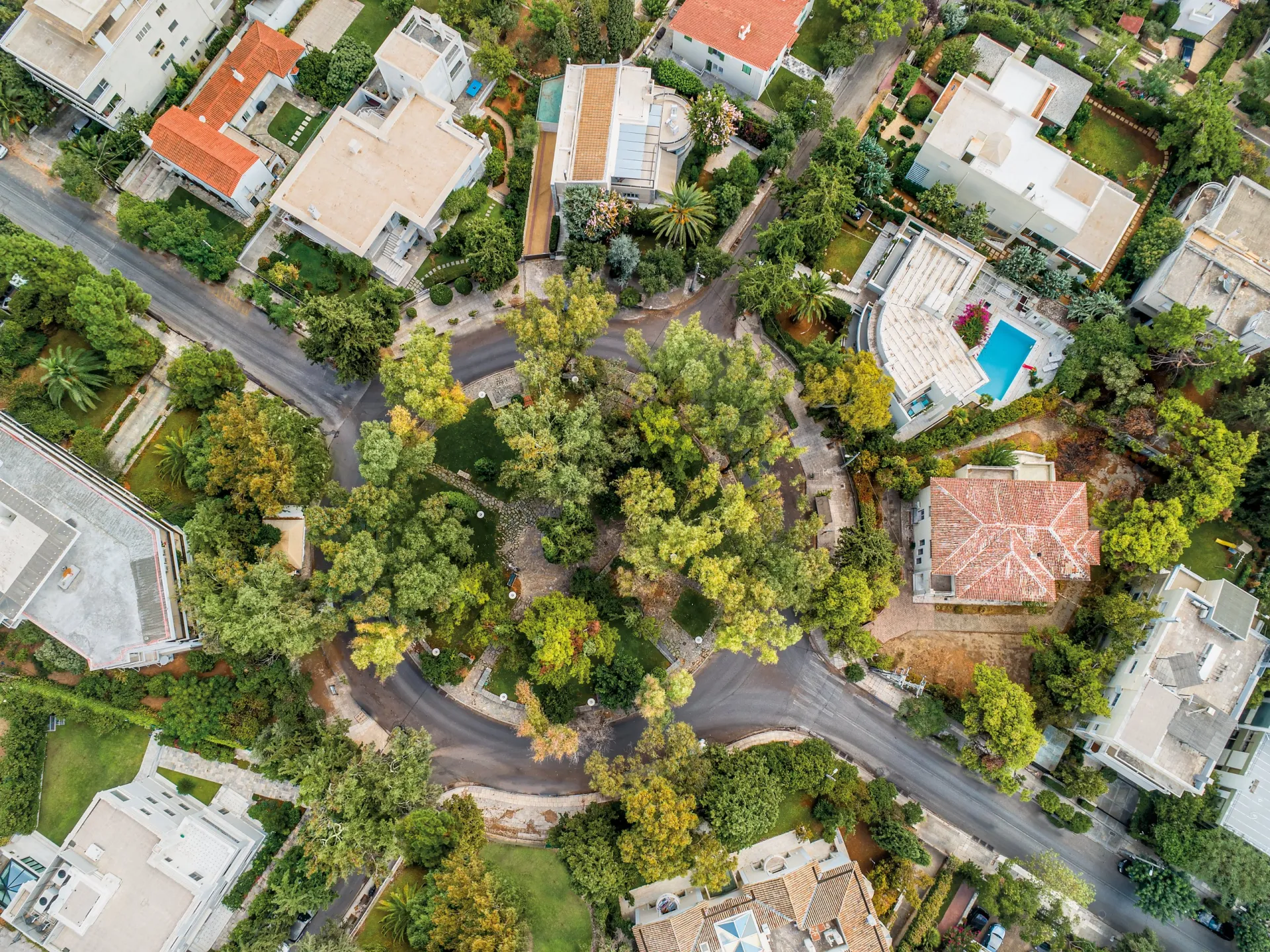
The history of the suburb goes back to the beginning of the 20th century and is linked to the idea of the garden city.
At that time, garden cities were a planning trend all over Europe.
The new settlement, designed by the architect and town planner Alexandros Nikoloudis, was located in an area that mostly belonged to the company “Kekrops S.A.”, whose articles of association were signed in 1923.
The name of Psychiko
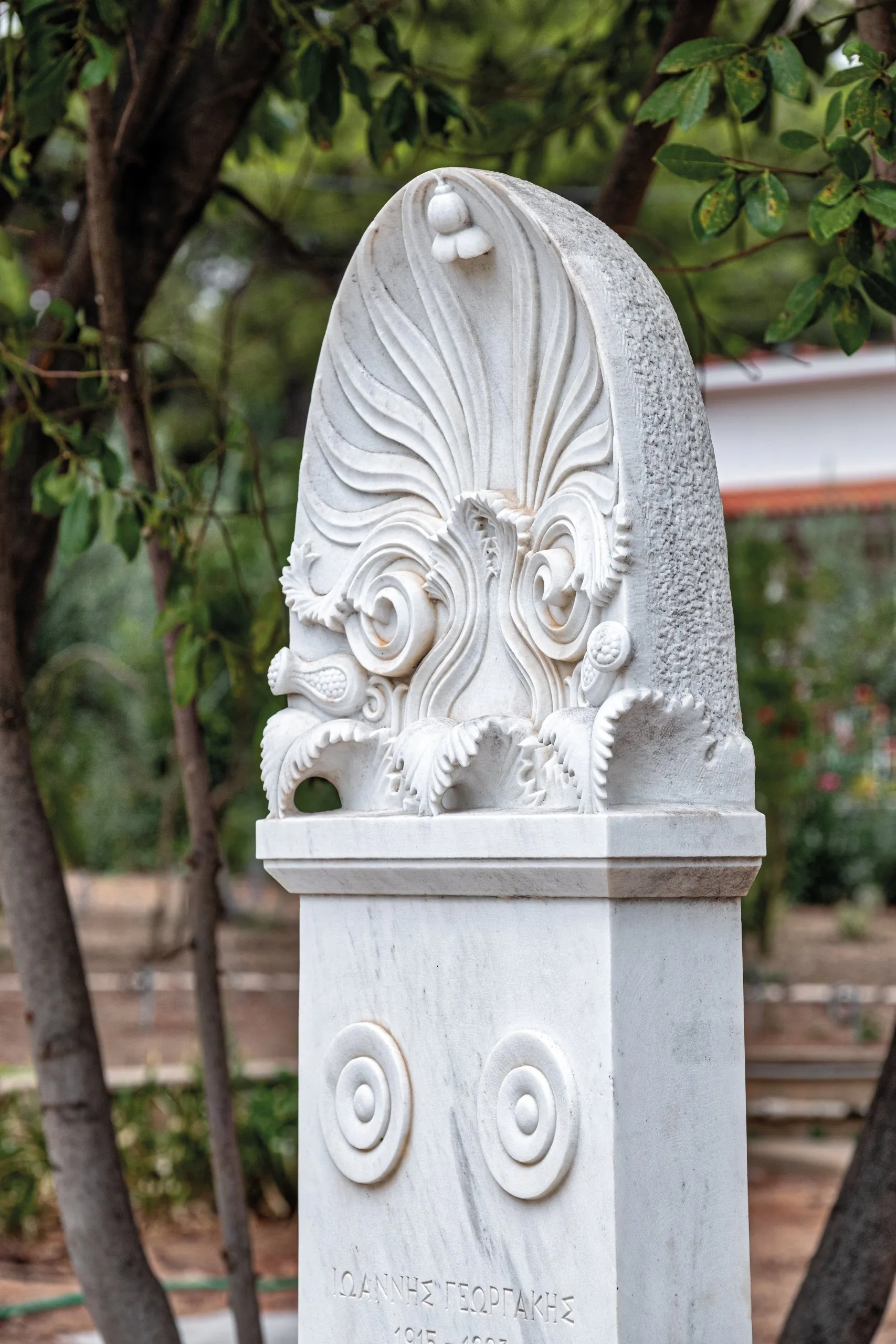
One version says that the place was named in memory of the first marathon runner, the unknown Athenian hoplite who ran from Marathon to the Agora of Athens to bring the news of the battle’s happy outcome. After crying “Nenikekamen” (“We have won”), he died.
Another tradition says that until the middle of the 19th century the edges of the Tourkovounia were so deserted and the crossing so dangerous that a sensible Athenian walker would hardly decide to venture far on foot and unaccompanied. Passers-by would feel their “soul” (psychi) seized with fear when they had to cross those wild places.
A third version says that Psychiko took its name from Saint Philothei, who in the middle of the 16th century opened a well north of the city of Athens, doing a great act of charity (a “psychiko”) for the few residents and farmers of the area.
Behind the Tourkovounia
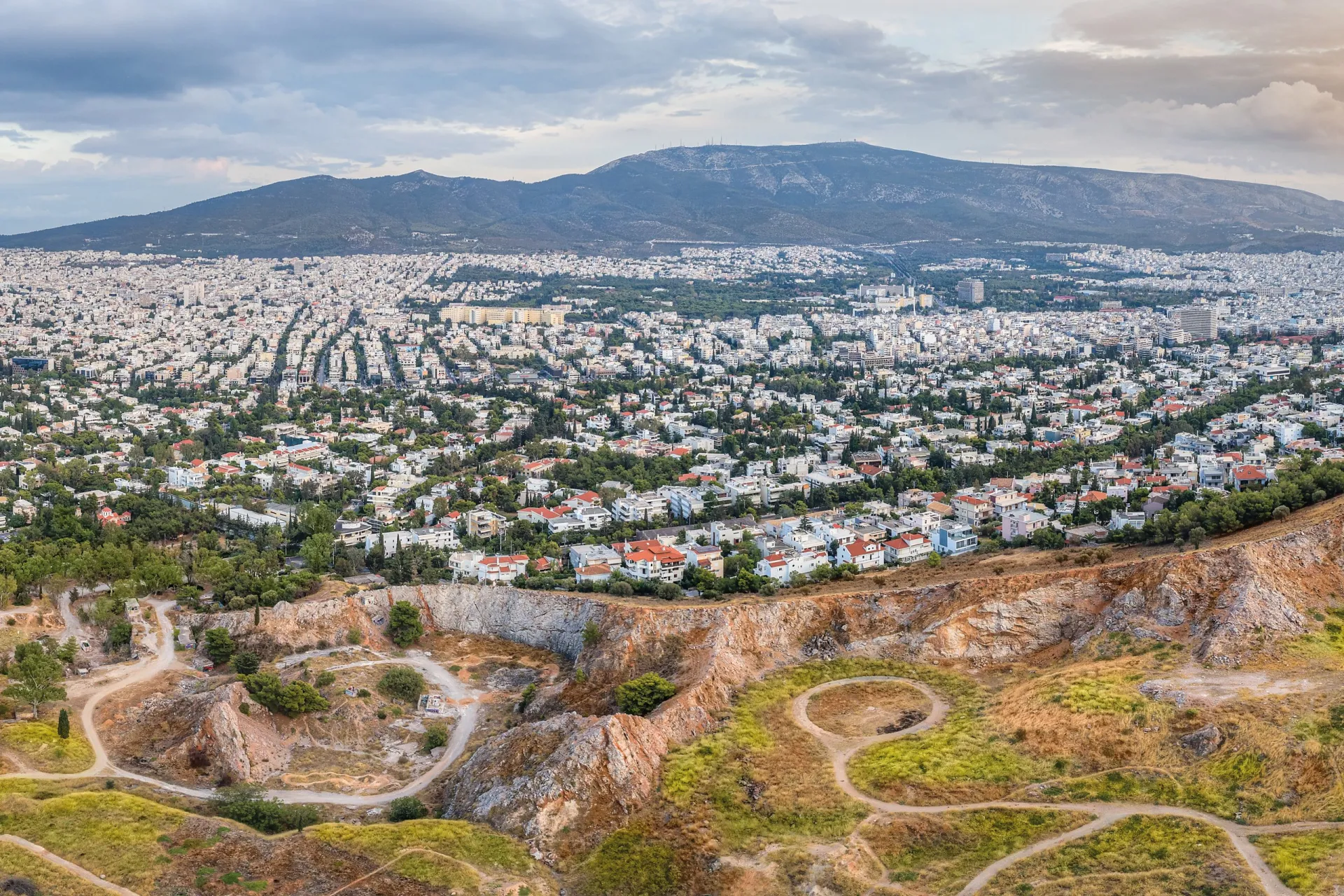
Psychiko was one of the first areas around the centre of the capital to be settled, because of its short distance from Athens. It was built in a location behind the Tourkovounia that was used as a training ground by cavalry officers and, thanks to the street layout of the model English garden city and the high income level of its residents, it managed to keep its community character until recent years.
At that time the area was inhabited by a few shepherds and quite a lot of wild animals. The vegetation was limited to pines and kermes oaks covering the hillocks, while olive, fig and almond trees thrived in the cultivated fields.
The land north of Psychiko, today’s Filothei, was bought by Greeks from Egypt to create a garden-city settlement called Nea Alexandreia, in the area where Saint Philothei of Athens had owned large estates.
The early years
In 1908, by the Royal Decree of 21-01-1908 (Government Gazette (FEK) A 16/25-01-1908), King George I approved the street plan of Psychiko, which is also the original town plan of Psychiko.
The ownership of the Psychiko area changed many times. From 1874 the area passed at various times to different owners, including D. Kostis, D. Persakis, L. Smolenskis, I. Nikitas, Th. Anastasiou, A. Kosmetatos and the company Épargne Immobilière.
On 4/4/1918, G. Isaias, a chemist, painter, leading industrialist and then Minister of Transport, conceived the idea of founding a new town. For his bold plan he found an ally in G. Oikonomidis, General Secretary of the Bank of Athens. G. Oikonomidis managed to buy the “Nikitas” estate, which bordered that of Isaias, and arranged for the Bank of Athens to take part in this major project. On 9/11/1922, the “Athenian Company”, with V. Vasileiadis, an industrialist, and D. Diamantidis, an engineer and former Minister of Public Works, bought a large area in Psychiko from K. Nikitas.
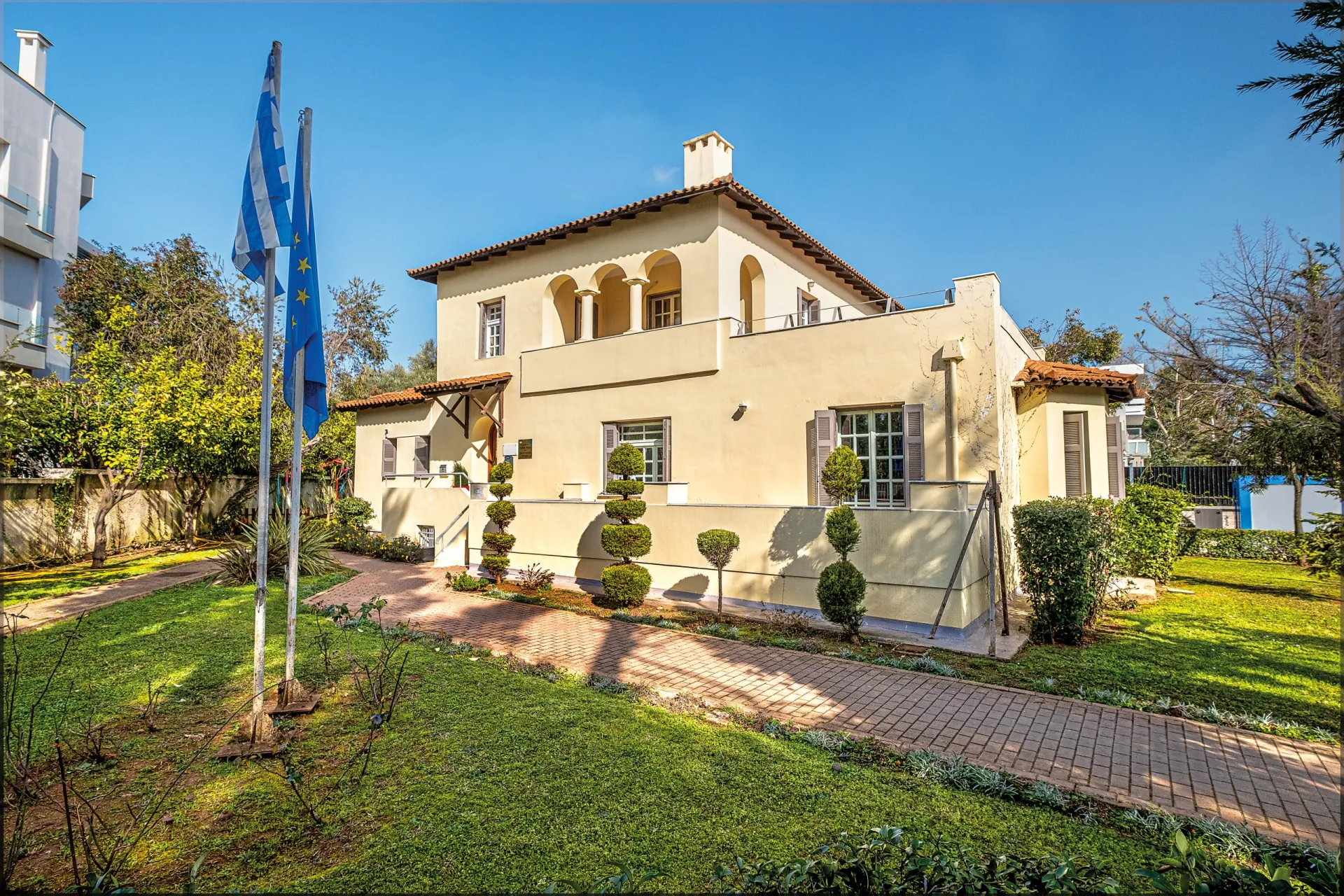
Specifically, Georgios Isaias contributed, ceded and transferred to the technical company Kekrops an area of one thousand stremmata, bordered to the east by what was then known as the Athens–Kifisia national road and to the west by the Tourkovounia. For its part, the “Athenian Company for the Support of Trade and Industry” transferred to the company “the north-eastern part of the whole site, adjoining the former estate of Georgios Isaias, with an area of three thousand stremmata, bordered all round by Kifisias Road and the old road to Marousi, Kalogreza and Omorfi Ekklisia”.
How the garden city was created
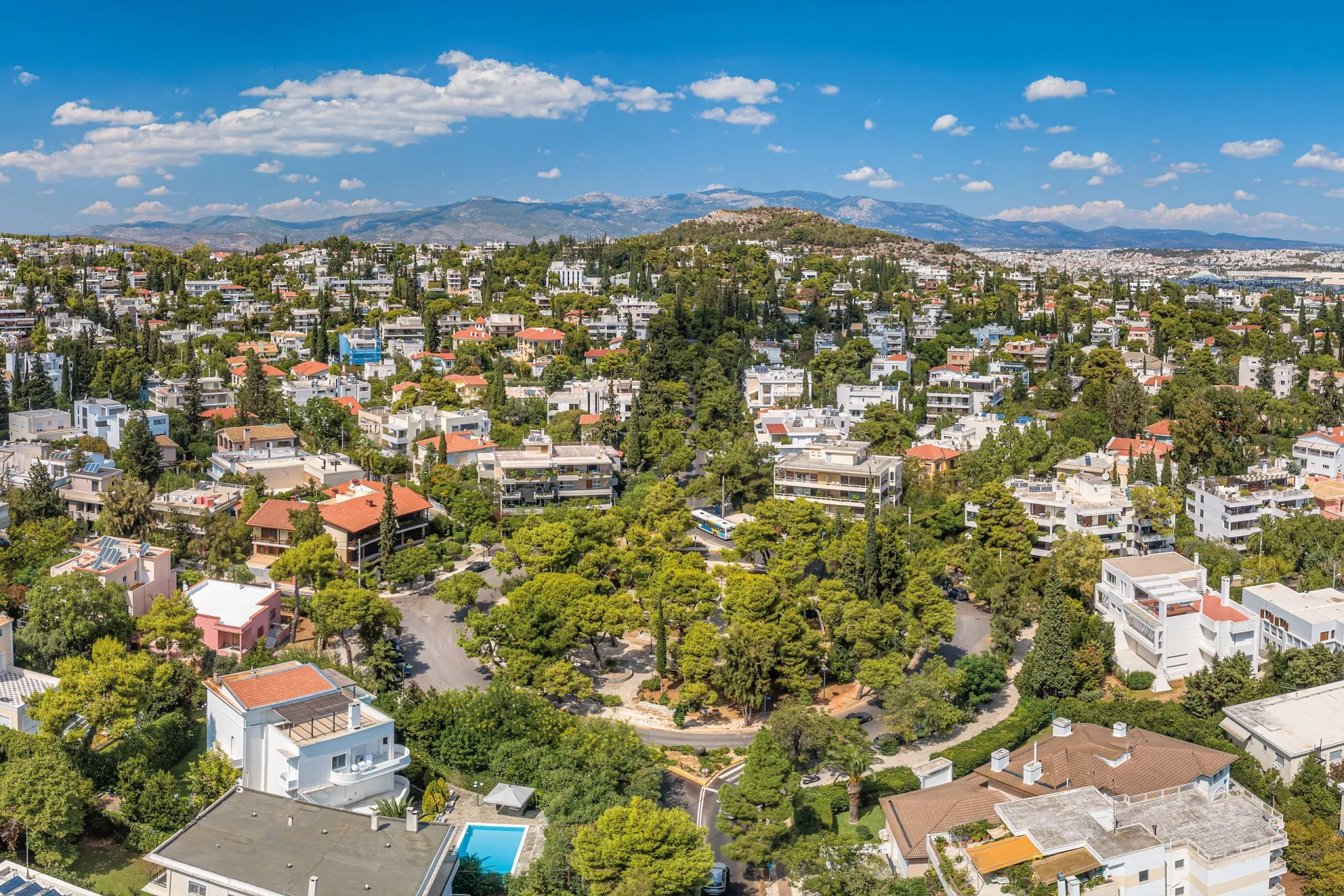
Urban planning in Psychiko began in 1923; it was the first private urban development in the country, and it was completed in 1936 with the extension of the Psychiko town plan to the area above Dafnis Street, Nea Agora.
When the Treaty of Lausanne was signed (1923), Georgios Isaias and the “Athenian Company for the Support of Trade and Industry” contributed to the technical company KEKROPS, which had been active on the site since its founding in 1923, two large estates they owned. After one of the first town plans of the time was drawn up, these formed the “settlement” of Psychiko.
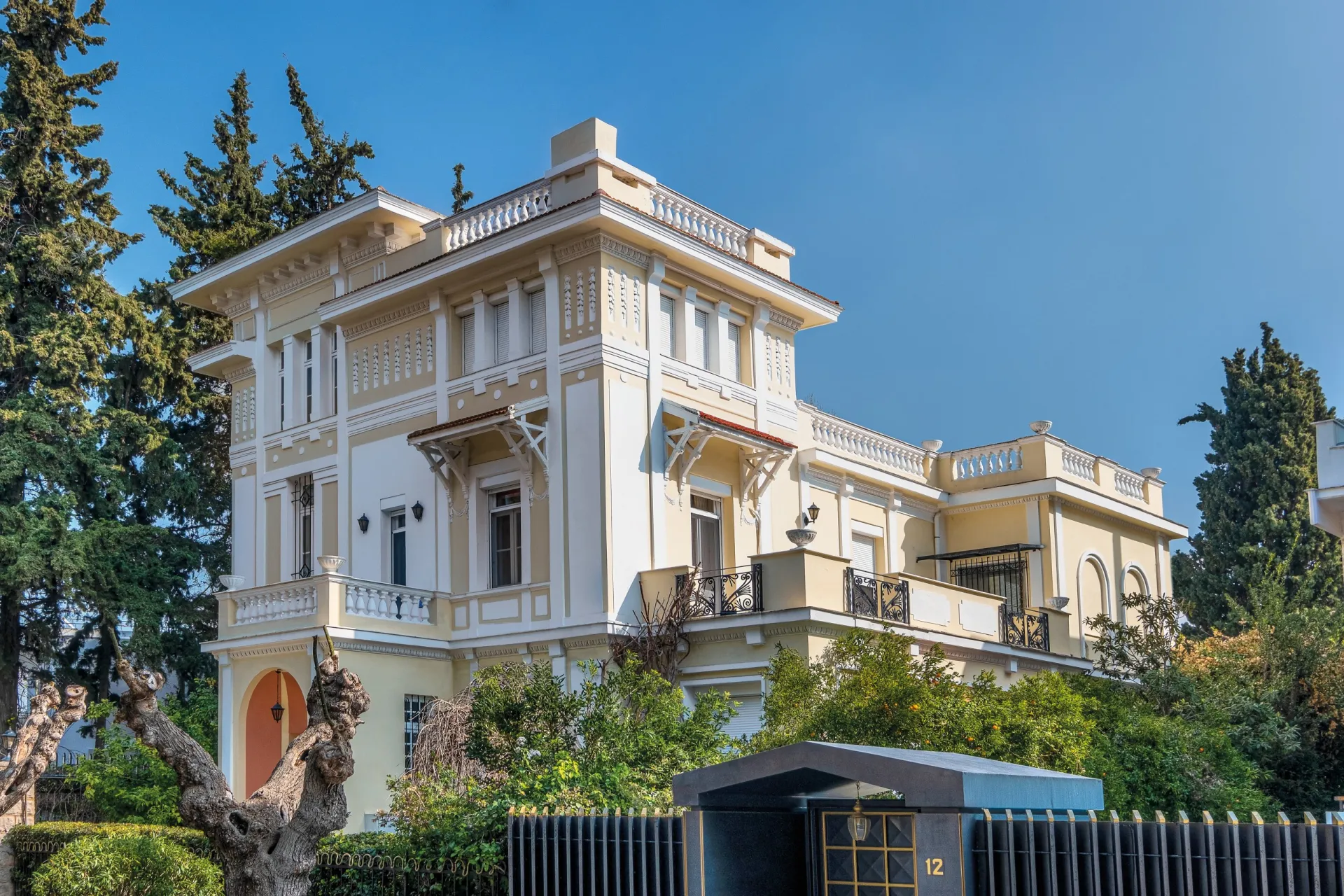
After parts of this land were compulsorily expropriated by the Greek State in 1924–1926 to house the refugees of 1922, covering the whole area within the administrative boundaries of the municipality of Nea Ionia, the remaining part was bounded by the College, Kifisias Avenue, the railway line on Kapodistriou Street, the Hadrianic Aqueduct and the ridge of the Tourkovounia, and covered about 2,000 stremmata.
At that time, anyone who bought a plot from Kekrops was obliged to build a house within a set timeframe. The company even offered its upper-class customers, for a fee, water and electricity services as well as transport by special buses to the centre of Athens, at a time when the trip from Psychiko was a small excursion.
The Old Market
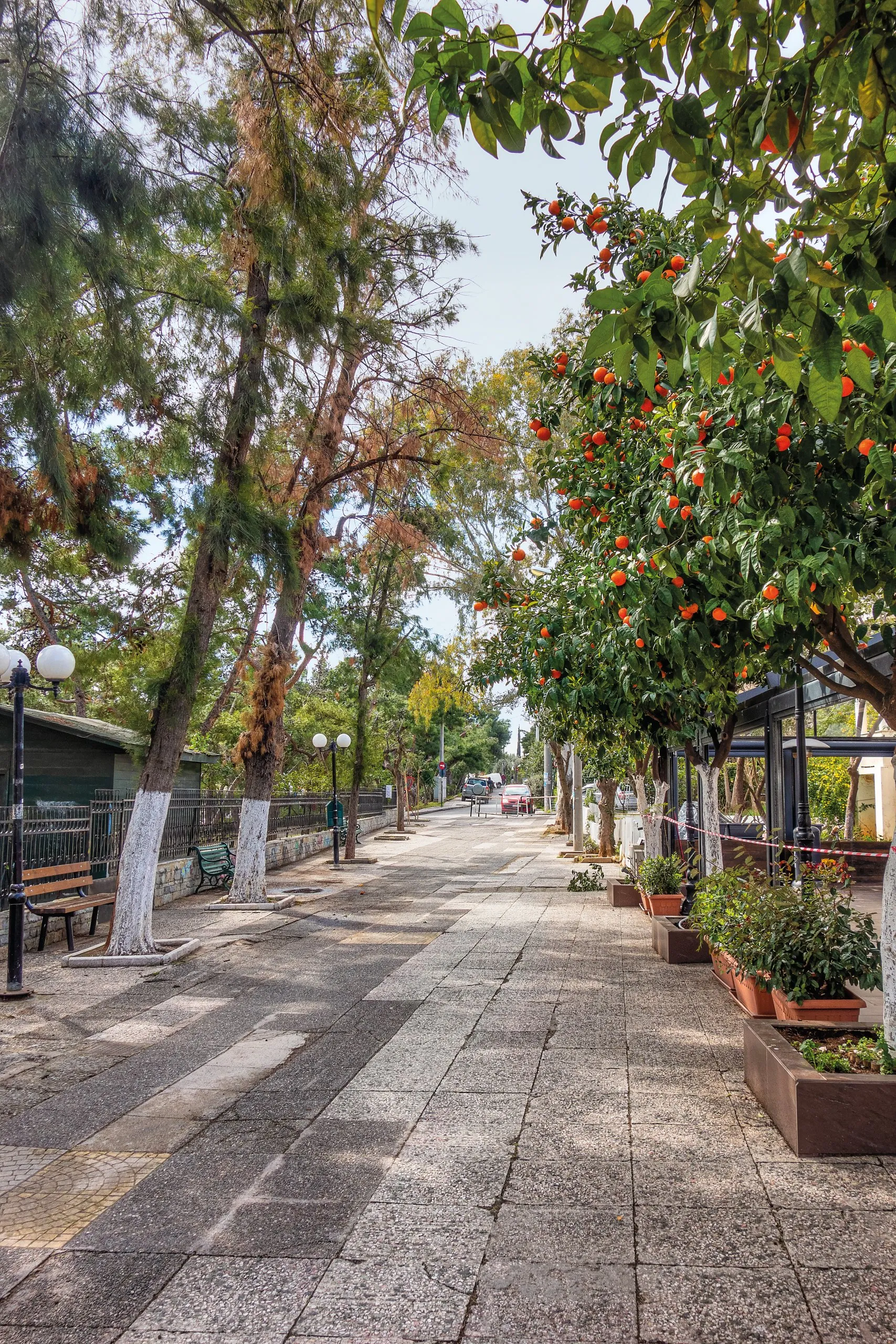
The Old Market (Palaia Agora) was the centre of Psychiko, as it met the everyday needs of households and was a meeting point for residents. In the approved Plan of 1923 it was a single space, which was split by the 1927 Amendment when Chrysanthemon Street was approved to run through it. The shops extended towards the west side in a complex separated from the Police station, with an atrium surrounded by arcades.
This was also the 1924 design of the architect Sotirios Magiasis.
The “Palace”
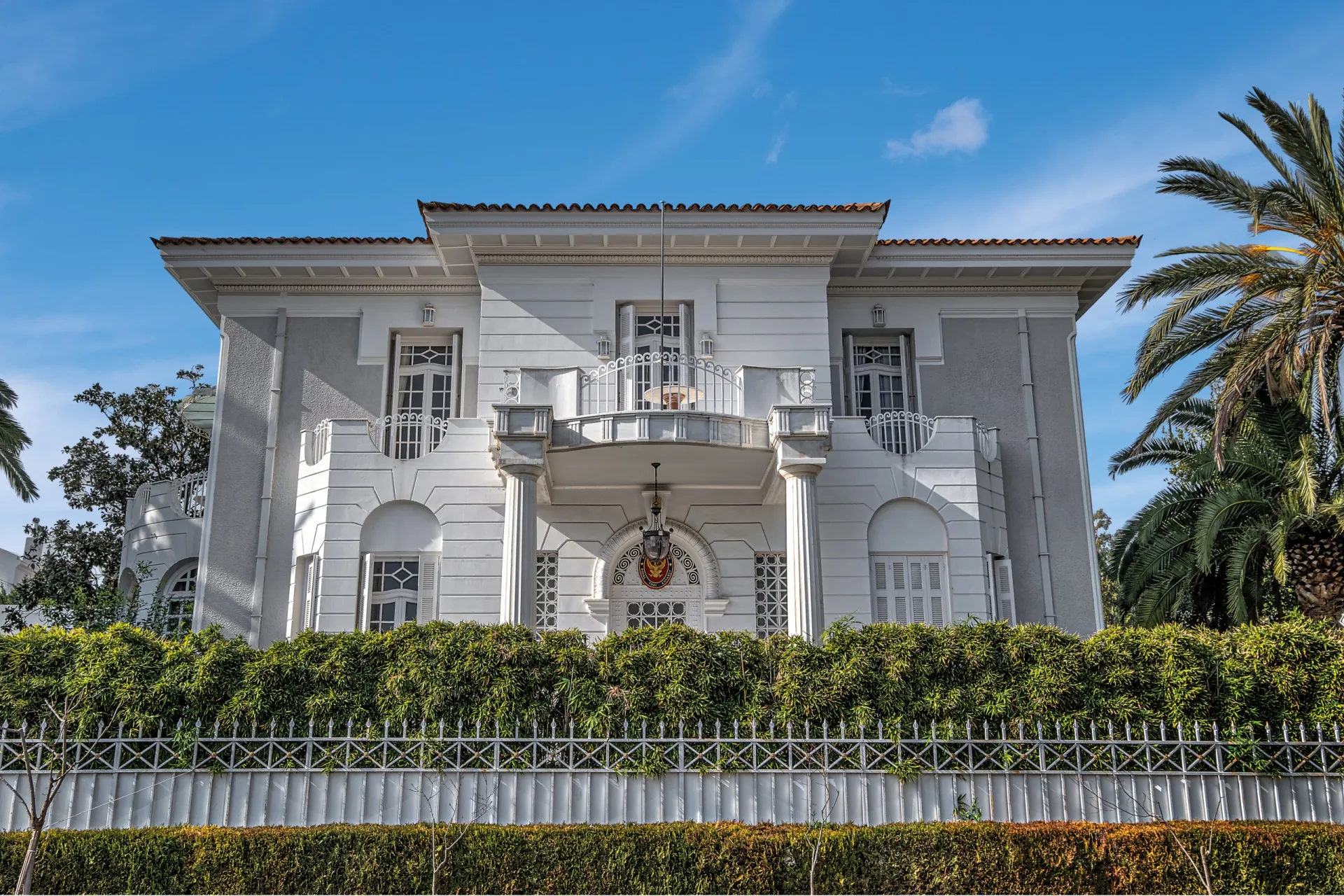
The “Palace of Frederica”, the imposing residence on Diamantidou Street, was bought in 1937 by George II to house the engaged couple Paul and Frederica.
The former royal palace of Psychiko is considered one of the jewels of the area. The imposing residence had been granted for use to the royal couple, Paul and Frederica. After the abolition of the monarchy, the Greek State, and specifically the Public Real Estate Company, decided to sell it by public auction.
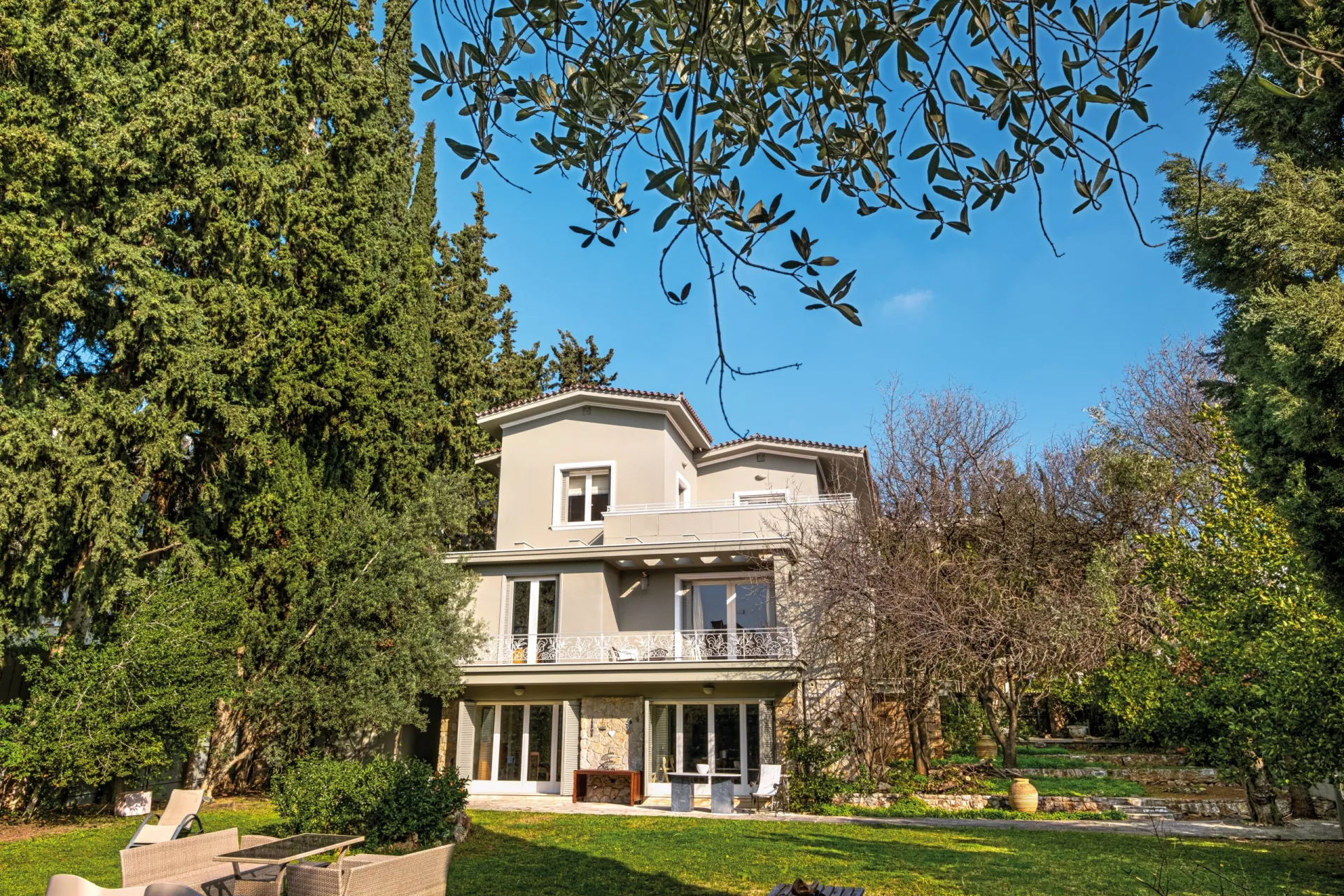
Apart from its garden-city character, Psychiko is home to many buildings of high architectural and aesthetic quality and luxury, examples of the styles of 20th-century urban architecture that are unique in Greece.