

The 3 Communities
Community of Filothei
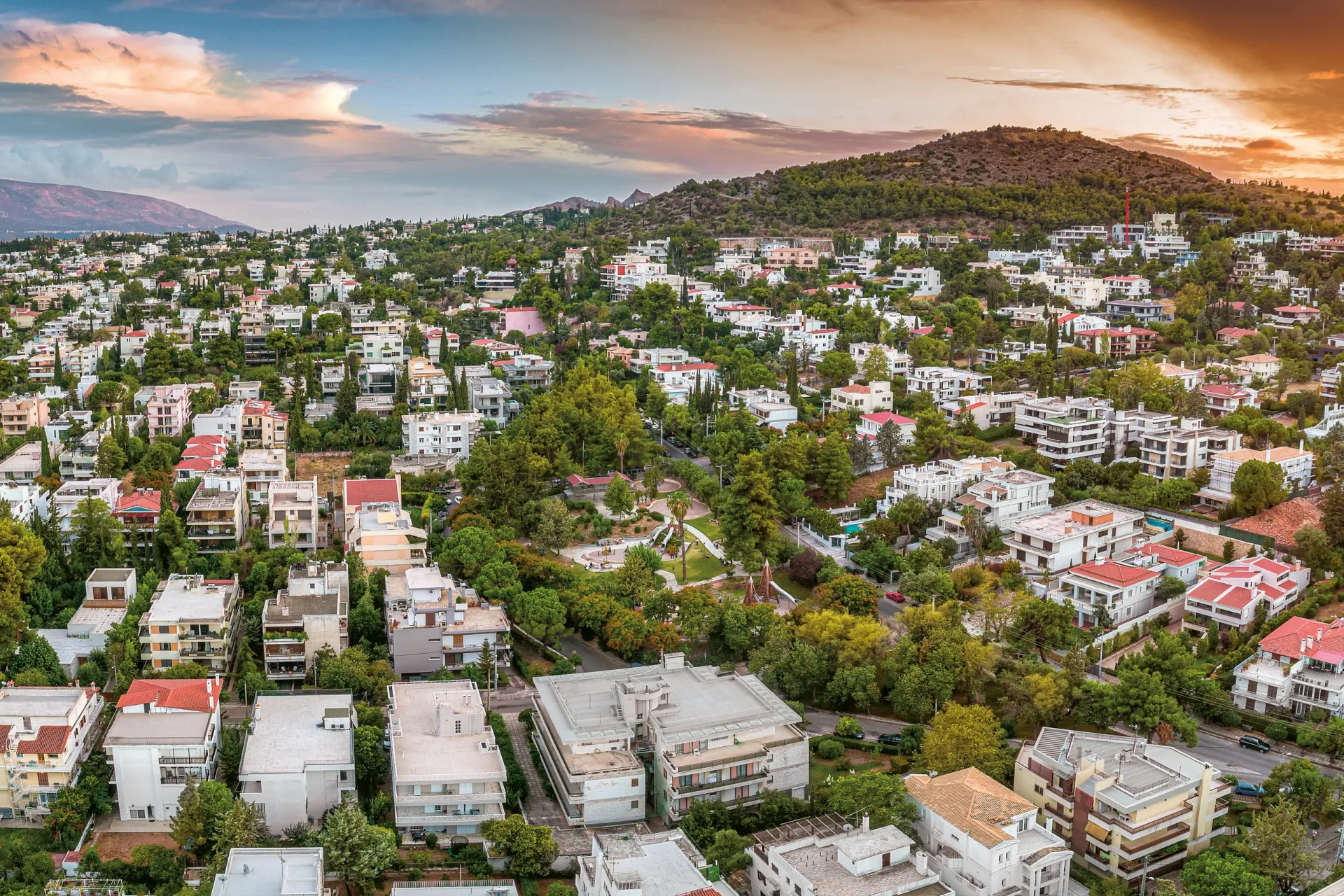
From the 1920s, the management of the National Bank of Greece was looking for a suitable area on which to build a settlement for its employees. The area finally chosen for this purpose was a rocky, barren stretch of land 8 kilometres north of the heart of Athens. At that time the area was called Nea Alexandreia.
The Municipal Community of Filothei is bounded by Kifisias Avenue, Athens College and Psychiko, the ridge of the Tourkovounia hills, the Hadrianic Aqueduct (“Kamares”) and Kapodistriou Avenue.
It covers about 2.301 square kilometres.
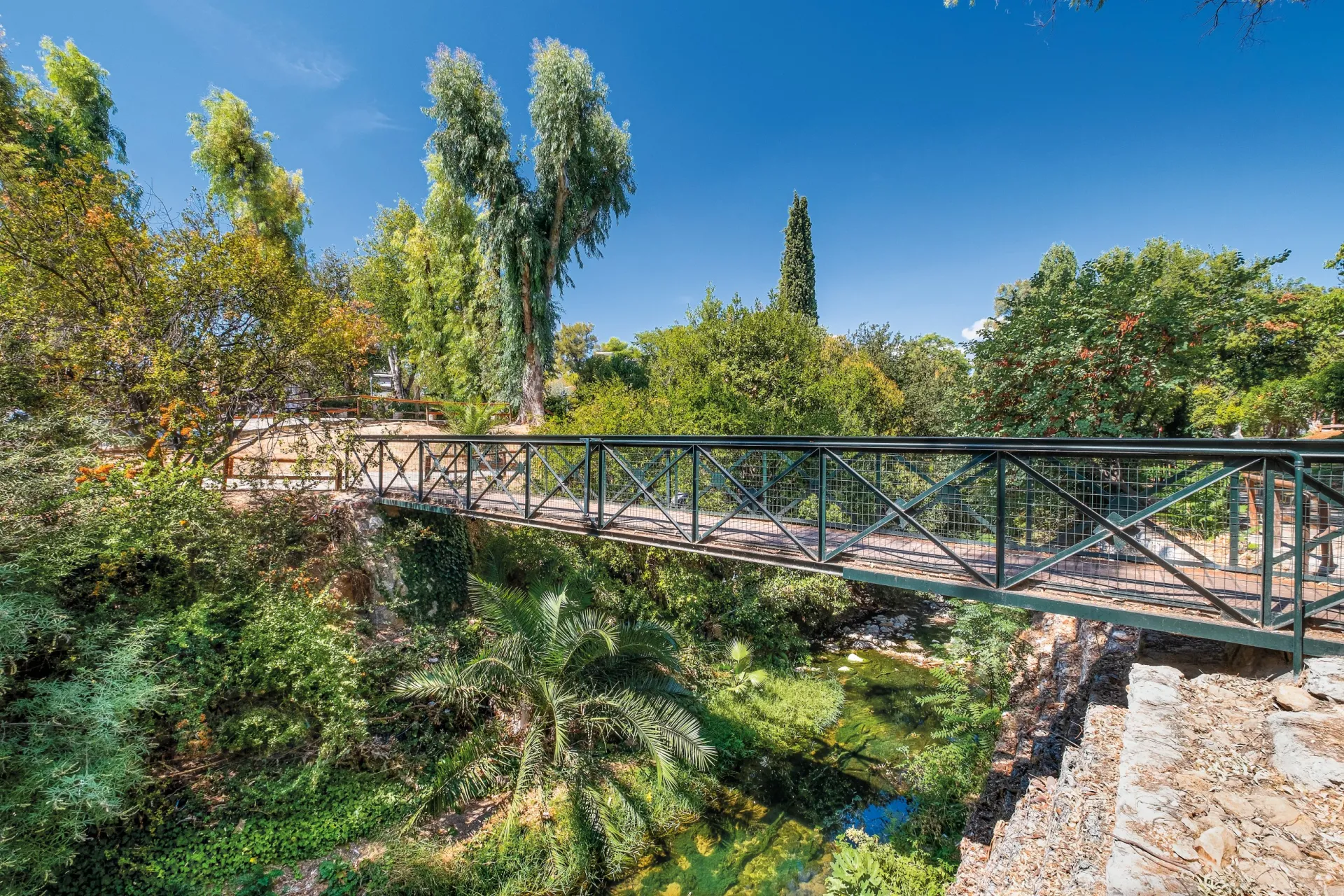
Geomorphologically, it consists of Lower Filothei, a flat area crossed by the Filothei stream, part of the Podoniftis stream, into which local channels also flow, and Upper Filothei, the mountainous, amphitheatre-shaped mass of part of the Tourkovounia, where the settlement later expanded. It also includes the low hill of Agia Filothei.
From the very beginning, Filothei was designed as a garden city based on English models and as an exclusively residential settlement. Two thirds of its total area were given over to public spaces such as parks, groves, squares, playgrounds, schools, sports grounds, municipal and community buildings, and markets whose location and size were strictly defined and which were intended solely to serve the residents’ basic needs.
Particular importance was given to greenery. Urban green spaces cover 375.5 stremmata of its total area, including the 159 stremmata of Filothei hill. This does not include the extensive rows of street trees, which together exceed 120 stremmata.
Community of Psychiko
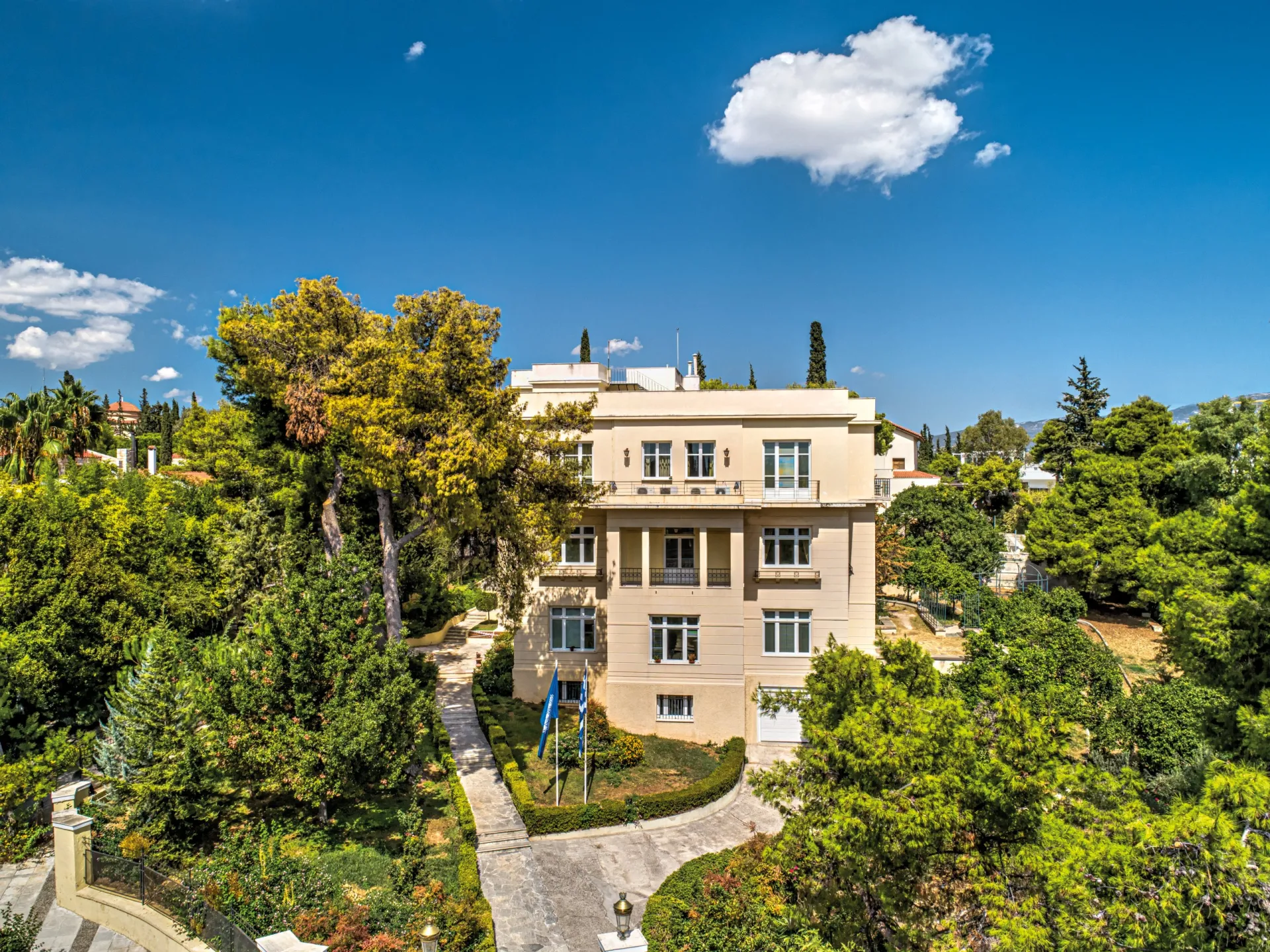
Psychiko is one of the oldest planned suburbs of Athens and was built at the beginning of the 20th century.
It is characterised by low-density building, impressive residences, tree-lined streets, squares and groves.
It was created by wealthy private individuals who wanted to build a settlement according to the most advanced visions of the time: a true “garden city”, combined with the street layout of the model English garden city.
The community of Psychiko is bounded by Kifisias Avenue, Mouson Street towards Athens, the Tourkovounia towards Galatsi and Athens College towards Filothei. It covers about 4,000 stremmata.
Life in Psychiko is characterised by calm and a gentle pace.
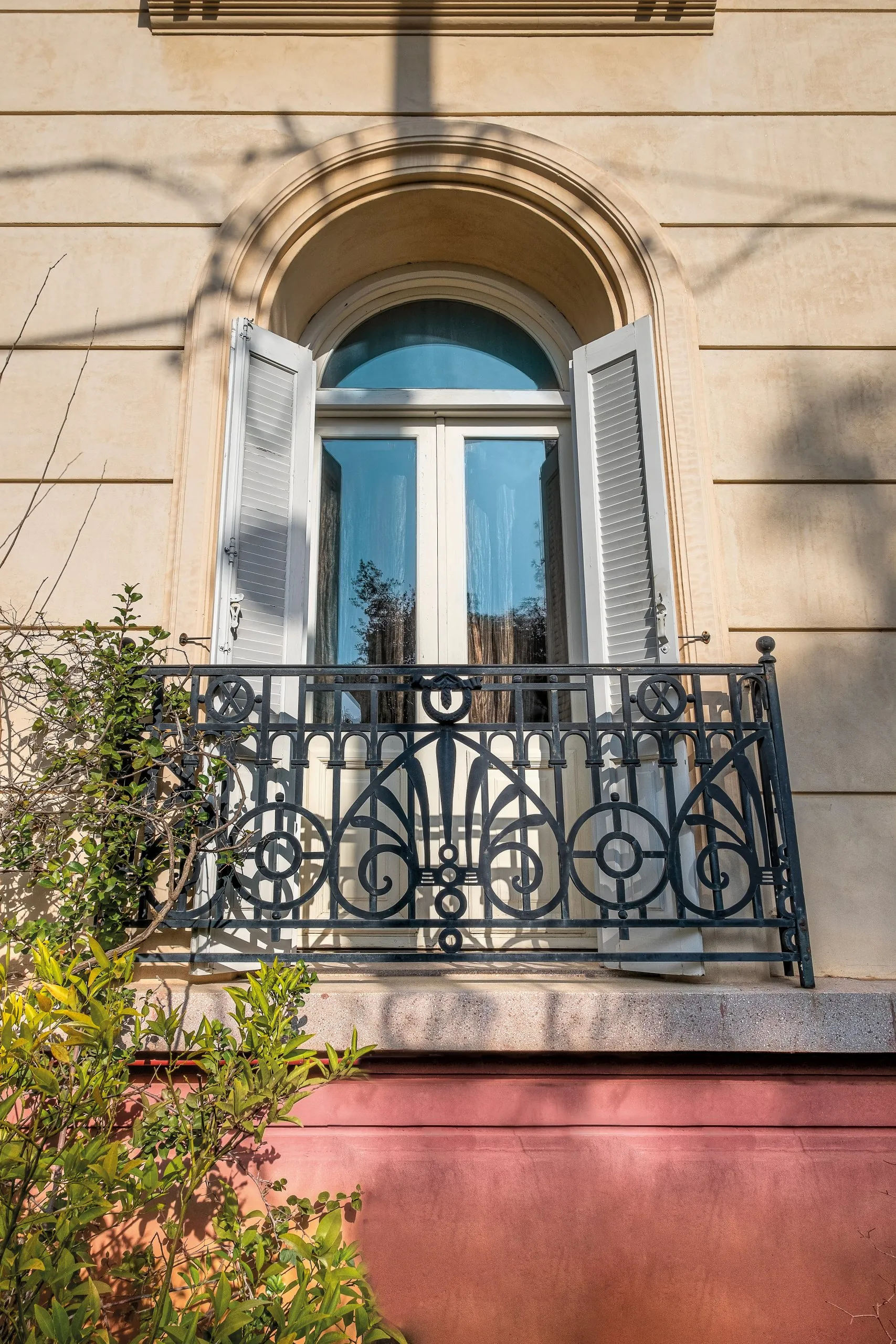
As a purely residential area, it has no commercial activity. Business premises, restaurants, cafés and shops are prohibited by planning regulations in almost the entire suburb, except for just two blocks where business premises are allowed, specifically shops serving the residents (the Nea Agora area).
Apart from its garden-city character, Psychiko is home to many buildings of high architectural and aesthetic quality and luxury, examples of the styles of 20th-century urban architecture that are unique in Greece.
Most homes were built with a building coefficient of 0.6, and buildings of more than three storeys are prohibited. It is one of the greenest areas of Attica, and on many of its streets you can see residents enjoying a walk or a bike ride.
Numerous embassies and consulates, as well as private schools, are based in the community of Psychiko.
Through traffic regulations and other environmental measures, Psychiko has managed to keep air pollution at low levels and to preserve its original character and charm, despite the pressures of the modern era for maximum exploitation of land.
Community of Neo Psychiko
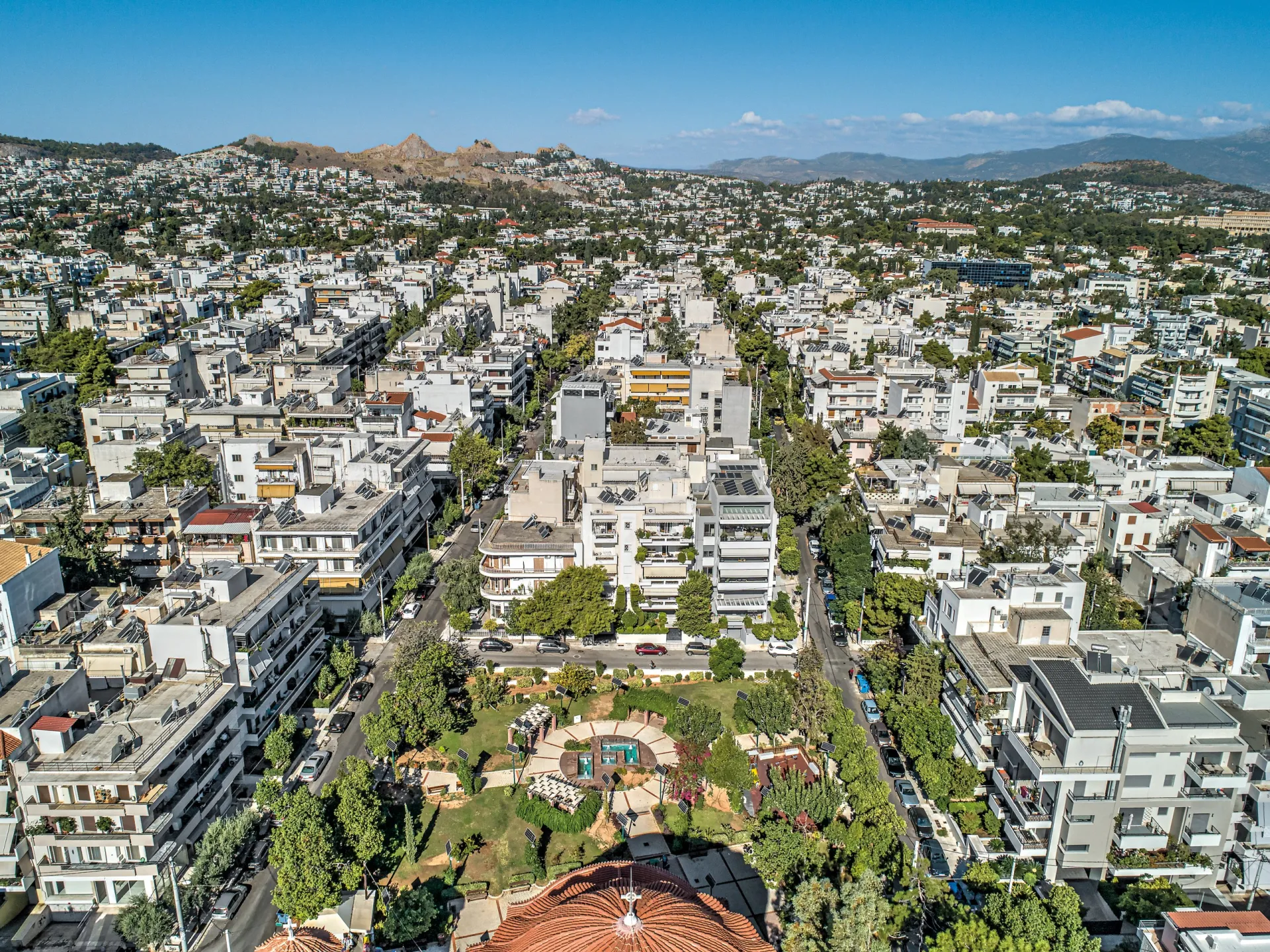
Neo Psychiko is a district of the Municipality of Filothei-Psychiko in the Northern Sector of the Region of Attica. It covers 1.2 km², lies at an altitude of 170 metres and is located between two major roads, Mesogeion Avenue and Kifisias Avenue.
The wider area began to be settled and built up mainly by refugees from Asia Minor immediately after the Asia Minor Catastrophe of 1923, but Neo Psychiko first appears as an organised settlement in the 1929 census. It consisted of two small neighbourhoods that grew up around Agios Georgios and the then small church of Agia Sofia.
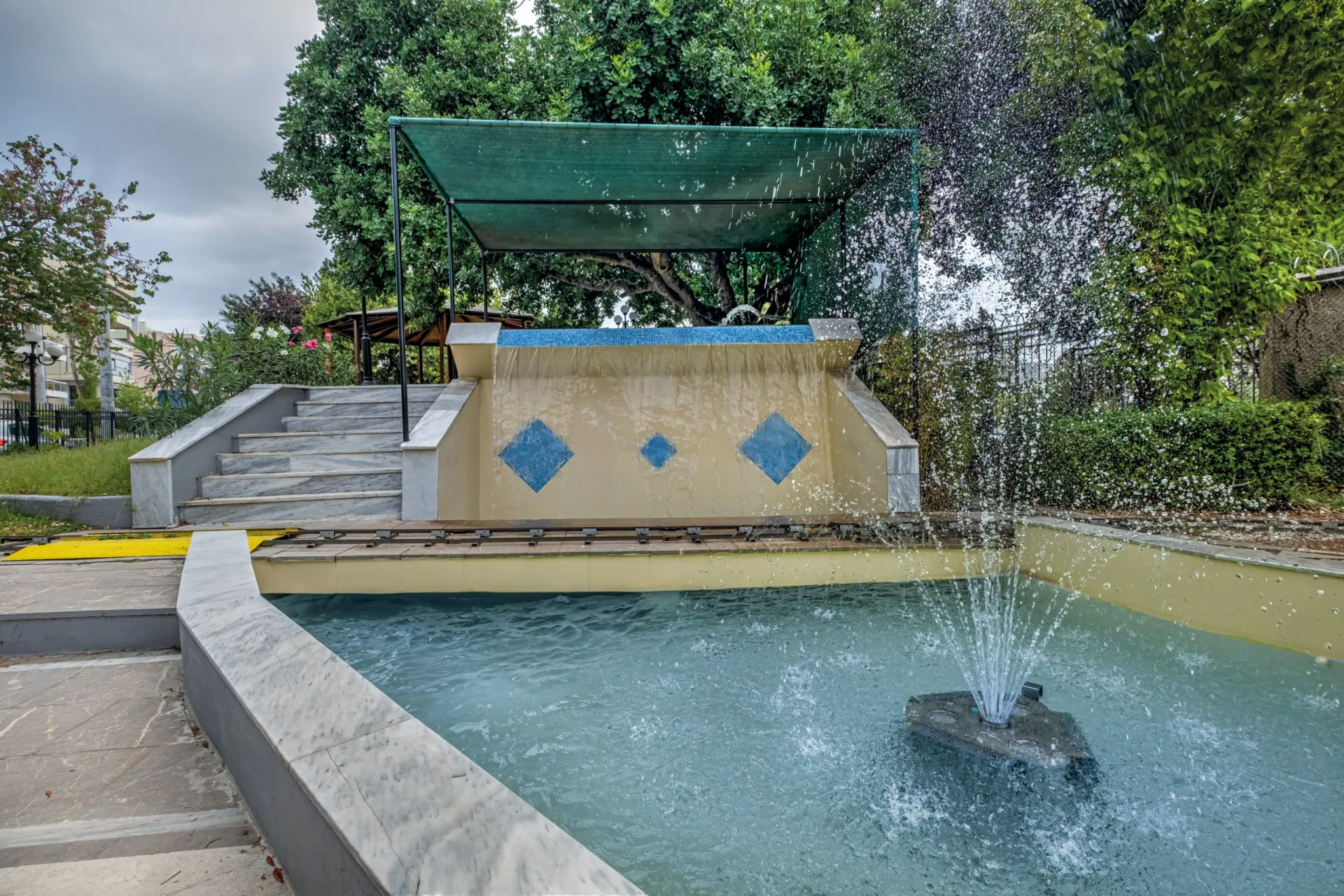
Despite the high population density of its residential fabric, the lack of public spaces and the constant pressure from regional uses and activities developing along the frontages of its two main roads, as an independent municipality until 2010 it designed and largely carried out a programme of interventions and measures that resisted and reversed these negative trends. This dynamism in development, inversely proportional to its small size, made Neo Psychiko a pioneer in a wide range of initiatives centred on the environment.
The (then) Municipality of Neo Psychiko was the first in the whole country to implement the European pilot programme for recycling paper, glass and aluminium, from 1988, and in the same year it received an award from the European Commission under the “Clean City” scheme.
It was also one of the first to build low-traffic streets, and it led the way in developing environmental awareness with:
- the founding in 1991 of a Municipal Environmental Protection Enterprise, and
- the creation in 1992 of the first Greek Environmental Education Park, which ran pioneering programmes to raise citizens’ environmental awareness, with an impact far beyond the community’s boundaries.
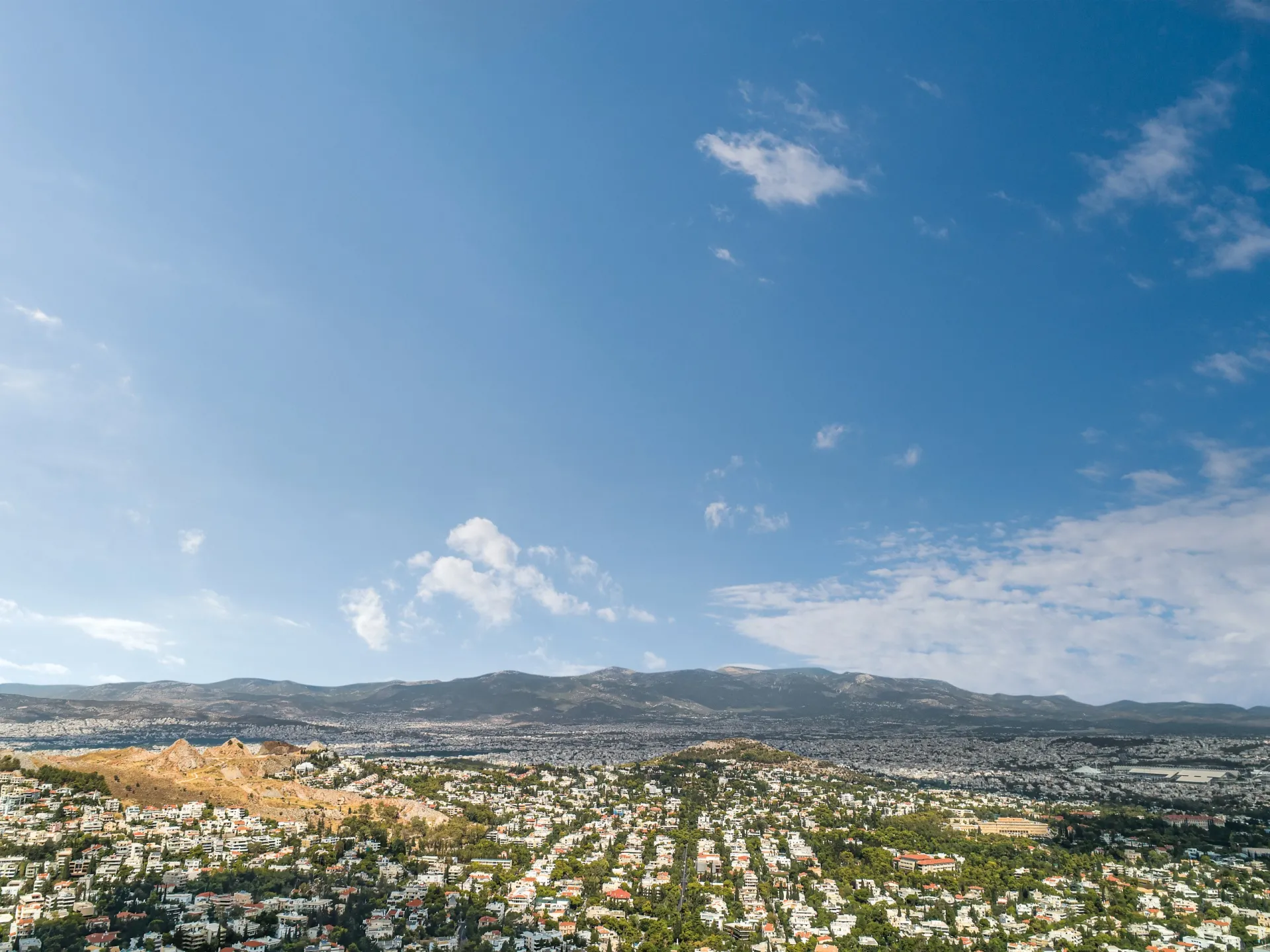
In 1997, in the annual European competition of the Council of European Municipalities and Regions (CEMR), distinctions were awarded to 16 European cities in recognition of their progress towards sustainable development and sustainability. Neo Psychiko was distinguished as the only municipality from Greece, for its progress based on long-term planning towards sustainable development and sustainability.
It took a leading role in, and served on the boards of, the most important local government bodies in the wider Athens area, such as the Hellenic Healthy Cities Network, the Association of the 21 Local Authorities of North-East Athens for Sustainable Development, the Inter-municipal Body for Urban Cohesion (with the then independent Municipalities of Filothei and Psychiko and the Municipality of Chalandri), and in inter-municipal actions on local issues or European events such as “car-free days in the city”.
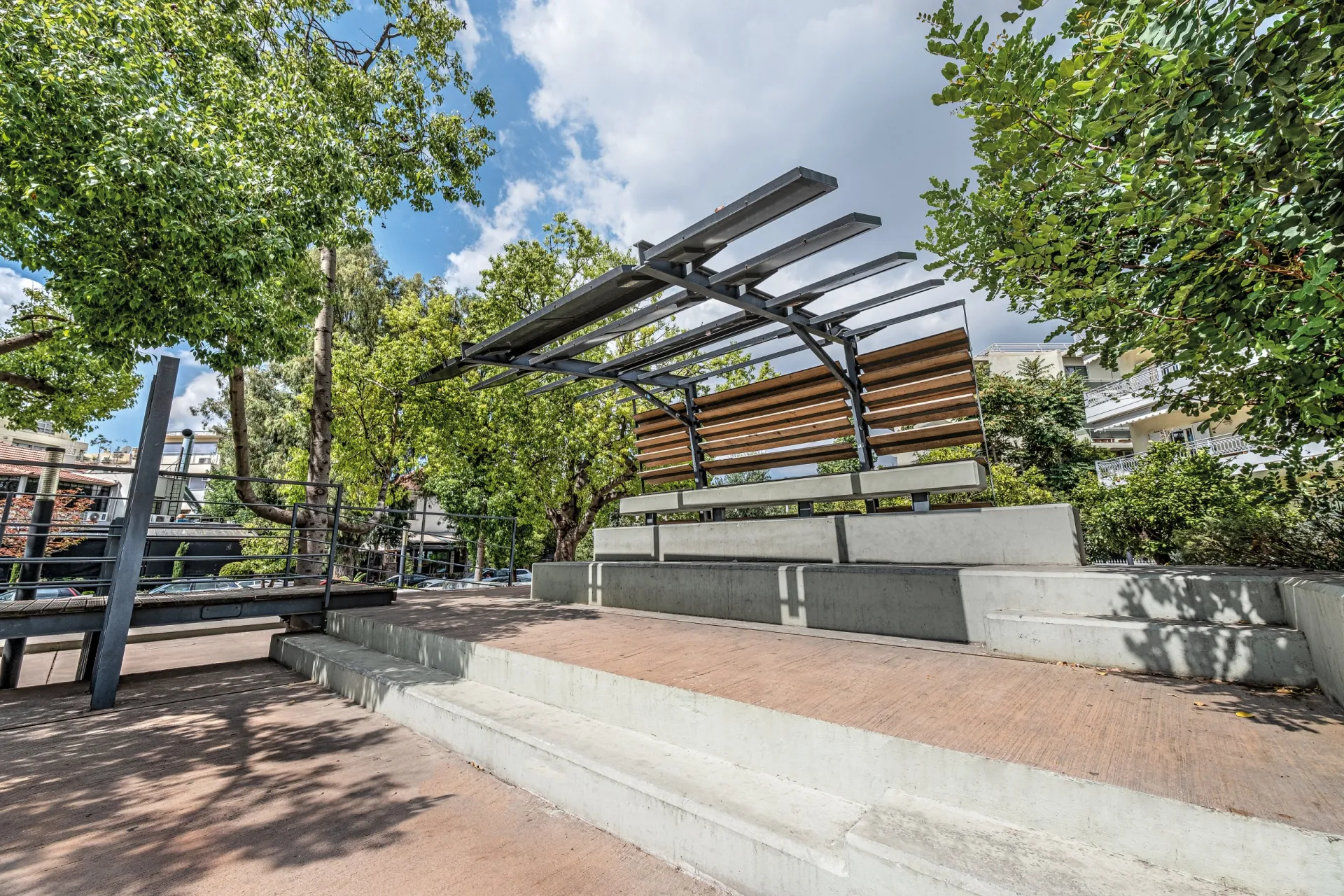
At the same time, it offered valuable social services such as a Municipal Clinic, a KAPI (Open Care Centre for Older People), a Day Nursery and children’s summer camps, and it had good sports facilities as well as a Cultural Centre and a Municipal Library with wide-ranging activities.
The town includes economic activities of the tertiary sector (commercial uses), within relatively defined limits, such as a small number of craft workshops (clothing, furniture, etc.), shopping centres, supermarkets and restaurants.
Although commercial activity in the area has increased since the 1990s, Neo Psychiko still keeps the character of a human-scale suburb, with greenery and space, and at the same time movement and life.